Security
-
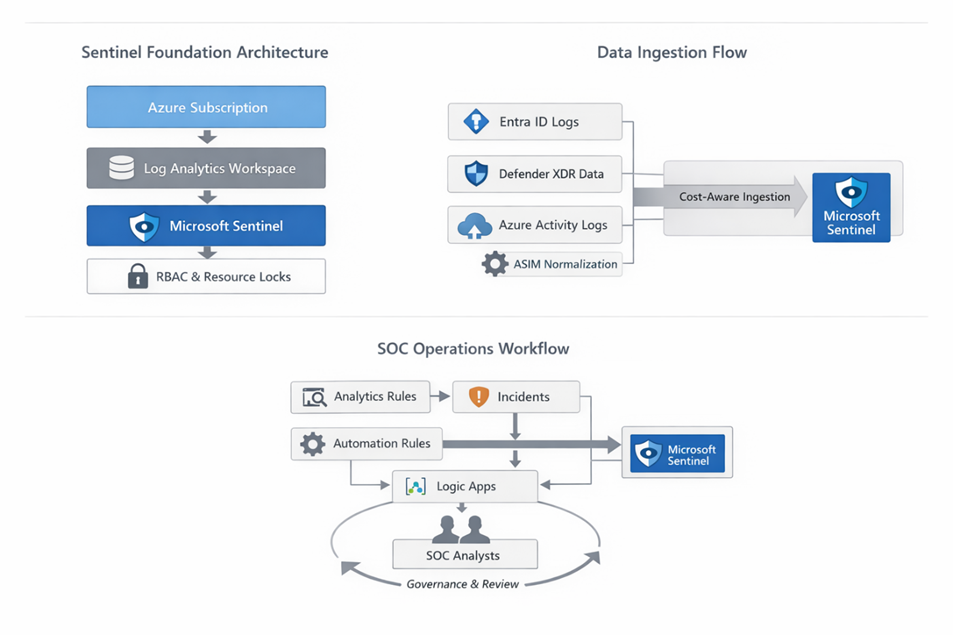
Microsoft Sentinel Baseline Deployment: From Zero to Operational SOC – Part 3 of 3
Sentinel does not fail because it lacks detections. It fails because alerts overwhelm analysts, automation hides context, and governance is treated as an afterthought. In this series-finale post, we establish a production operational baseline: analytics rules, incident handling, automation boundaries, and long-term governance. This is where Sentinel becomes usable—not just enabled. There is no secret…
-

Azure Updates – Number 138 – May 30, 2026
A summary update on Azure news that includes updates released from Microsoft Azure related to Azure, Architecture, Compute, Security Copilot and Sentinel topics. Save time digging around to find recent releases and changes.
-
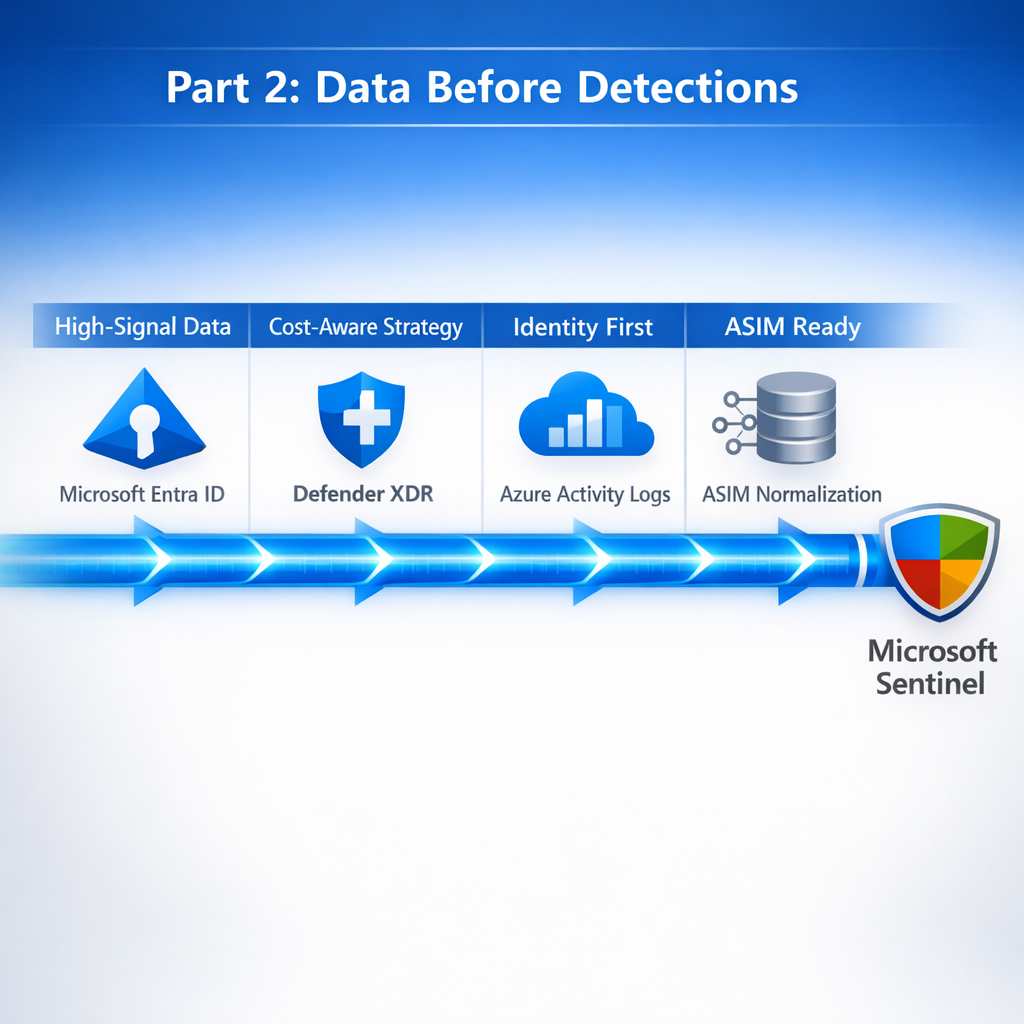
Microsoft Sentinel Baseline Deployment: From Zero to Operational SOC
SIEM best practices are clear: connect data intentionally. In this post, we build a baseline ingestion strategy that prioritizes high-value telemetry, aligns with Zero Trust, and avoids the “enable everything” trap.
-
Azure Updates – Number 137 – May 16, 2026
A summary update on Azure news that includes updates released from Microsoft Azure related to Azure, Architecture, Compute, Security Copilot and Sentinel topics. Save time digging around to find recent releases and changes.
-
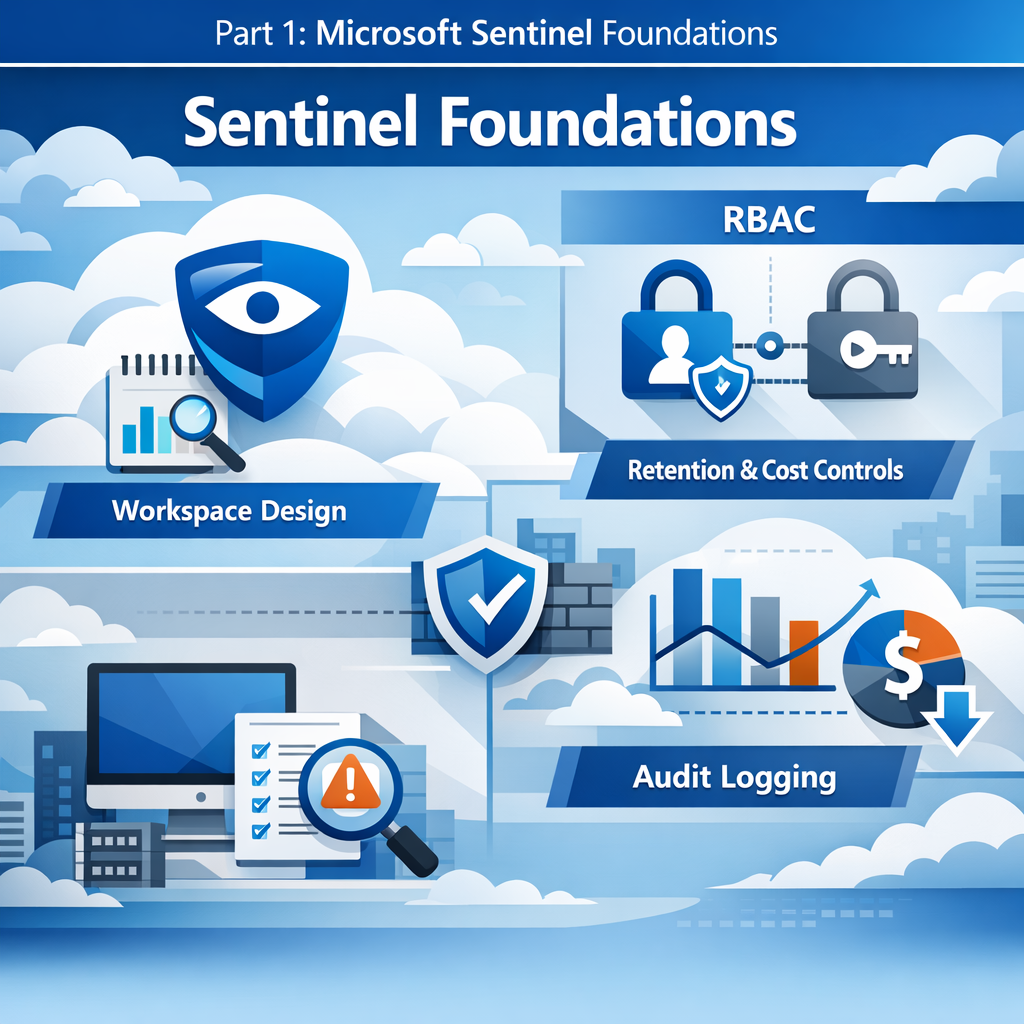
Microsoft Sentinel Baseline Deployment: From Zero to Operational SOC
Microsoft Sentinel can be enabled in minutes. A good Sentinel deployment takes planning. Most Sentinel pain does not come from missing detections or weak analytics. It comes from architectural shortcuts taken on day one: poorly scoped workspaces, uncontrolled access, unpredictable ingestion costs, and a lack of governance before the first alert ever fires. In this…
-
Azure Updates – Number 136 – May 2, 2026
A summary update on Azure news that includes updates released from Microsoft Azure related to Azure, Architecture, Compute, Security Copilot and Sentinel topics. Save time digging around to find recent releases and changes.
-
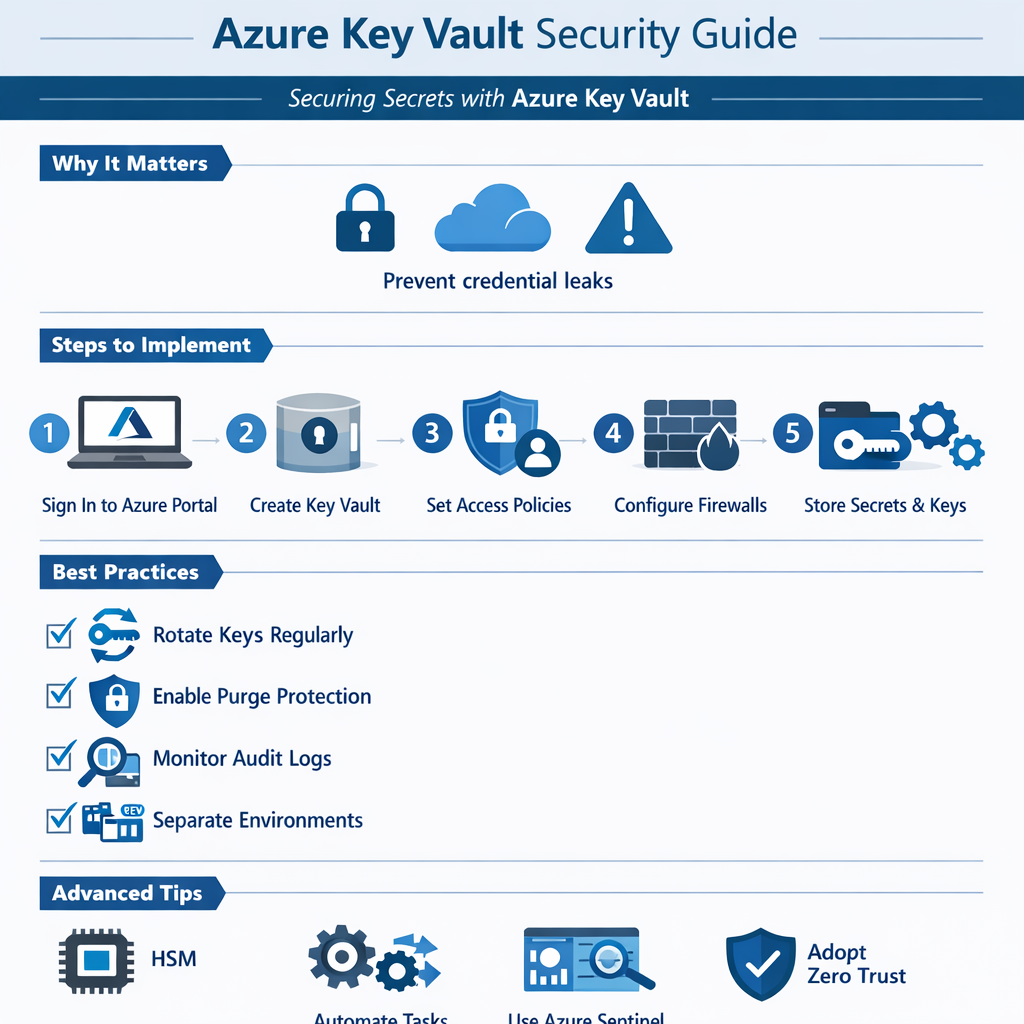
Securing Secrets with Azure Key Vault
You will quickly realize that secrets stored in code, configuration files, or shared documents are one of the most common causes of cloud security incidents. Azure Key Vault (AKV) provides a secure, centralized environment for managing secrets, keys, and certificates. By enforcing strong access controls, network isolation, and auditing, Key Vault reduces the blast radius…
-
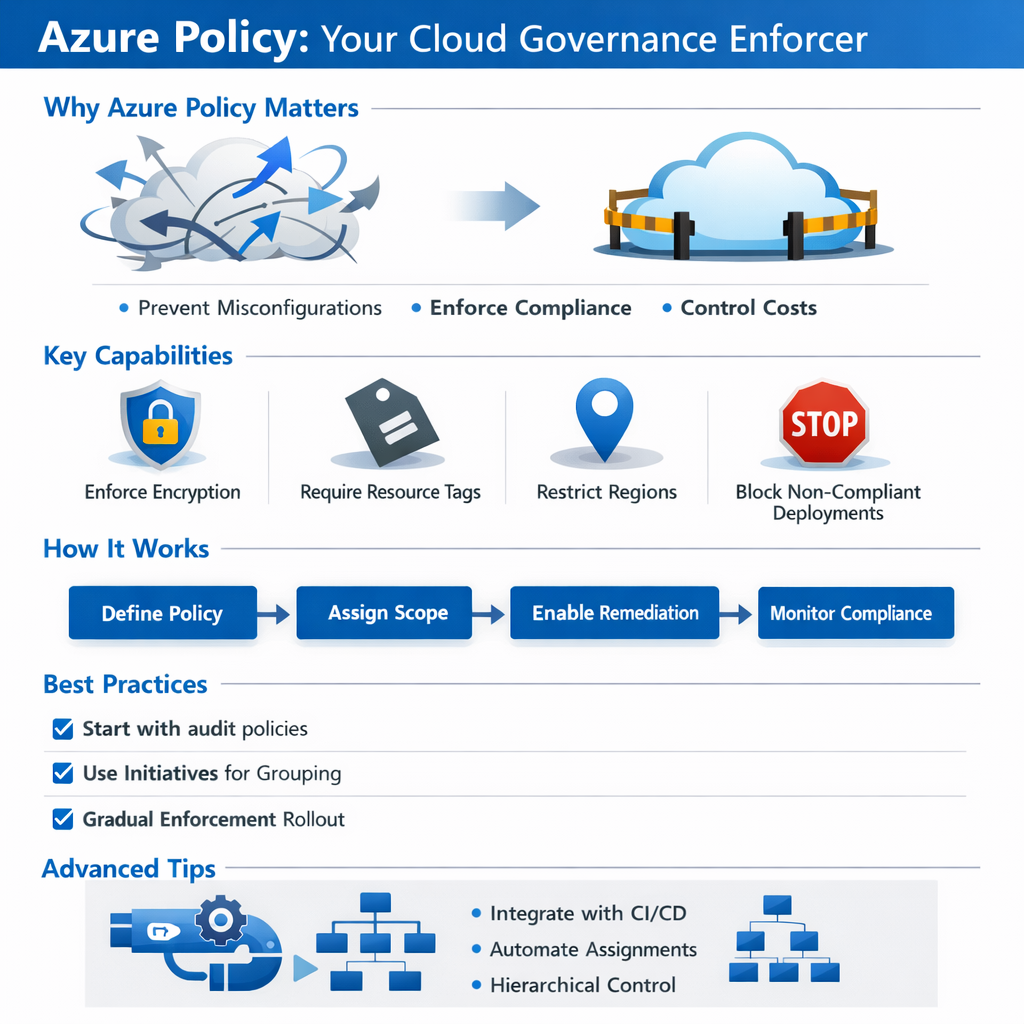
Enforcing Compliance with Azure Policy
You will quickly realize that cloud environments can scale faster than governance can keep up—leading to misconfigurations, security gaps, and cost inefficiencies. Azure Policy acts as your automated compliance enforcer, ensuring that all deployed resources adhere to organizational standards. This article explains how Azure Policy helps maintain control without slowing innovation. You will learn how…
-

Reducing Risk with Attack Surface Reduction Rules
Many modern attacks don’t rely on exotic malware—they abuse normal application behavior. Office macros spawning PowerShell, scripts launching from temporary folders, or executables delivered through email are all techniques attackers use because they blend in with legitimate activity. Attack Surface Reduction (ASR) rules are designed to stop these behaviors before they turn into a breach.…
-
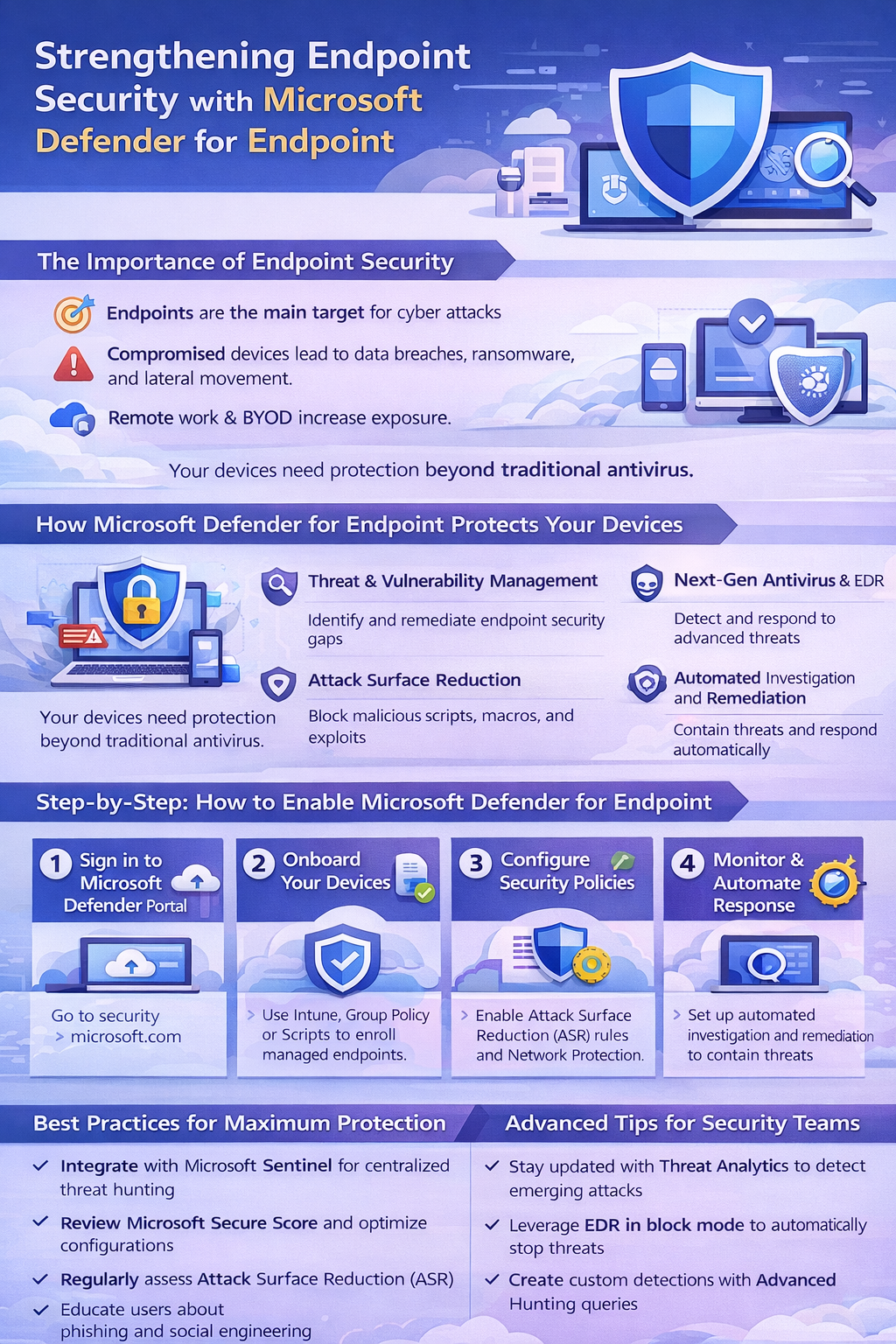
Strengthening Endpoint Security with Microsoft Defender for Endpoint
You will quickly discover that endpoints are the frontline of modern cyber defense — and the first targets for attackers. Laptops, desktops, servers, and mobile devices sit at the intersection of users, data, and the cloud, making them prime entry points for ransomware, credential theft, and lateral movement. This article explains how Microsoft Defender for…