Sentinel
-

Azure Updates – Number 141 – July 11, 2026
A summary update on Azure news that includes updates released from Microsoft Azure related to Azure, Architecture, Compute, Security Copilot and Sentinel topics. Save time digging around to find recent releases and changes.
-
Azure Updates – Number 140 – June 27, 2026
A summary update on Azure news that includes updates released from Microsoft Azure related to Azure, Architecture, Compute, Security Copilot and Sentinel topics. Save time digging around to find recent releases and changes.
-
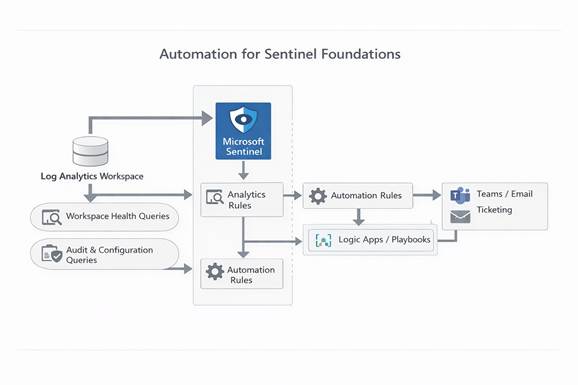
Microsoft Sentinel Baseline Deployment: From Zero to Operational SOC – Summer Bonus!
Microsoft Sentinel is powerful—but it can’t manage itself. Manual operations like onboarding data connectors, validating ingestion, monitoring workspace health, and auditing configuration changes quickly become a burden. This bonus article walks through building automation around your Sentinel foundations, so you can: Keep your workspaces healthy Ensure configuration compliance Alert on critical changes Free SOC engineers…
-
Azure Updates – Number 139 – June 13, 2026
A summary update on Azure news that includes updates released from Microsoft Azure related to Azure, Architecture, Compute, Security Copilot and Sentinel topics. Save time digging around to find recent releases and changes.
-
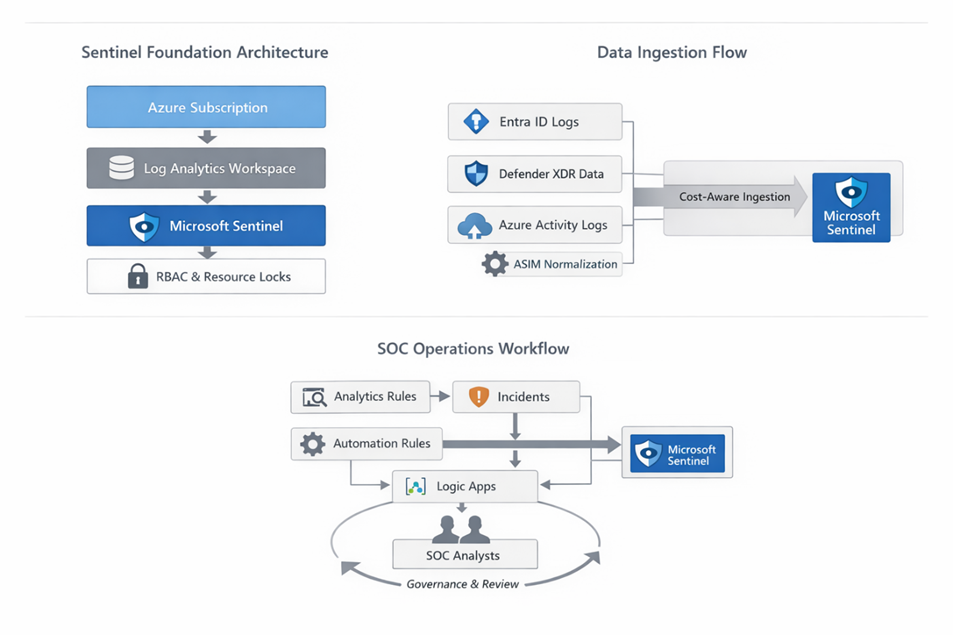
Microsoft Sentinel Baseline Deployment: From Zero to Operational SOC – Part 3 of 3
Sentinel does not fail because it lacks detections. It fails because alerts overwhelm analysts, automation hides context, and governance is treated as an afterthought. In this series-finale post, we establish a production operational baseline: analytics rules, incident handling, automation boundaries, and long-term governance. This is where Sentinel becomes usable—not just enabled. There is no secret…
-
Azure Updates – Number 138 – May 30, 2026
A summary update on Azure news that includes updates released from Microsoft Azure related to Azure, Architecture, Compute, Security Copilot and Sentinel topics. Save time digging around to find recent releases and changes.
-
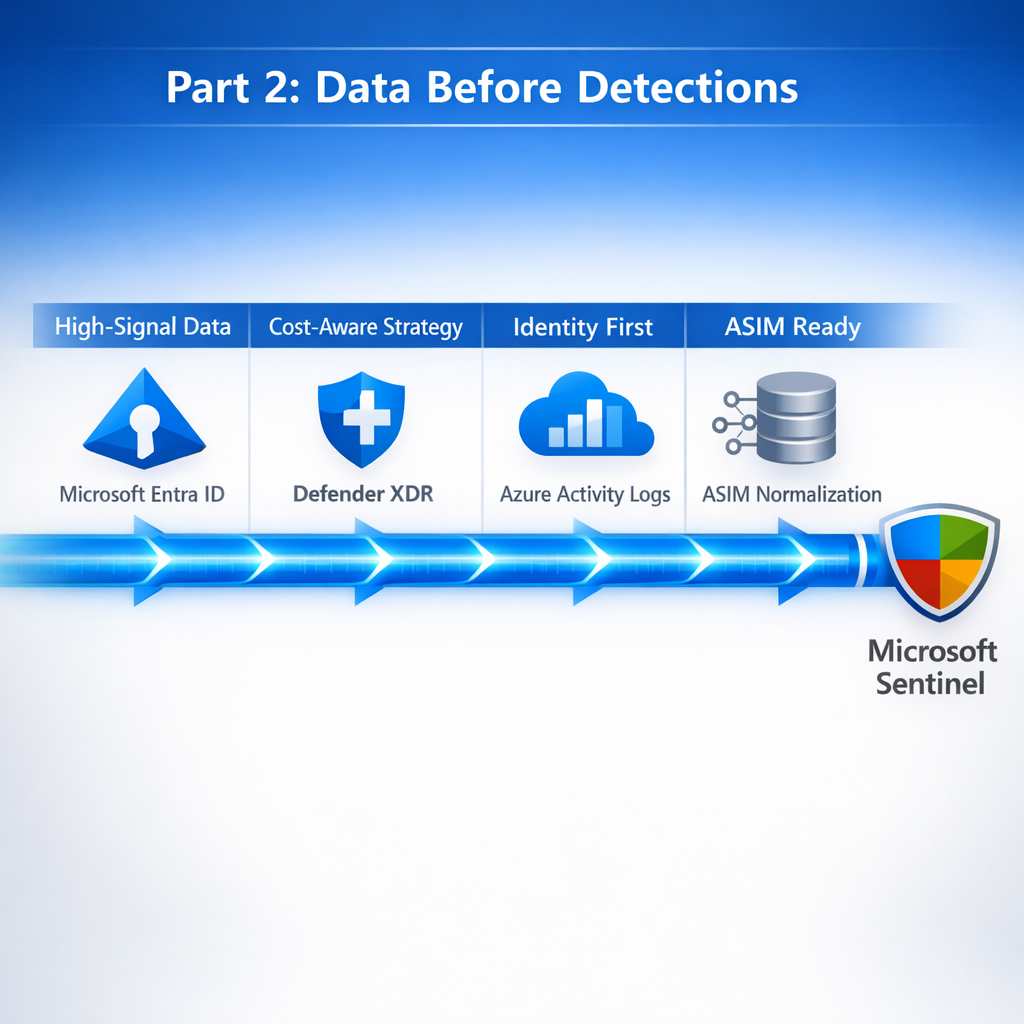
Microsoft Sentinel Baseline Deployment: From Zero to Operational SOC
SIEM best practices are clear: connect data intentionally. In this post, we build a baseline ingestion strategy that prioritizes high-value telemetry, aligns with Zero Trust, and avoids the “enable everything” trap.
-
Azure Updates – Number 137 – May 16, 2026
A summary update on Azure news that includes updates released from Microsoft Azure related to Azure, Architecture, Compute, Security Copilot and Sentinel topics. Save time digging around to find recent releases and changes.
-
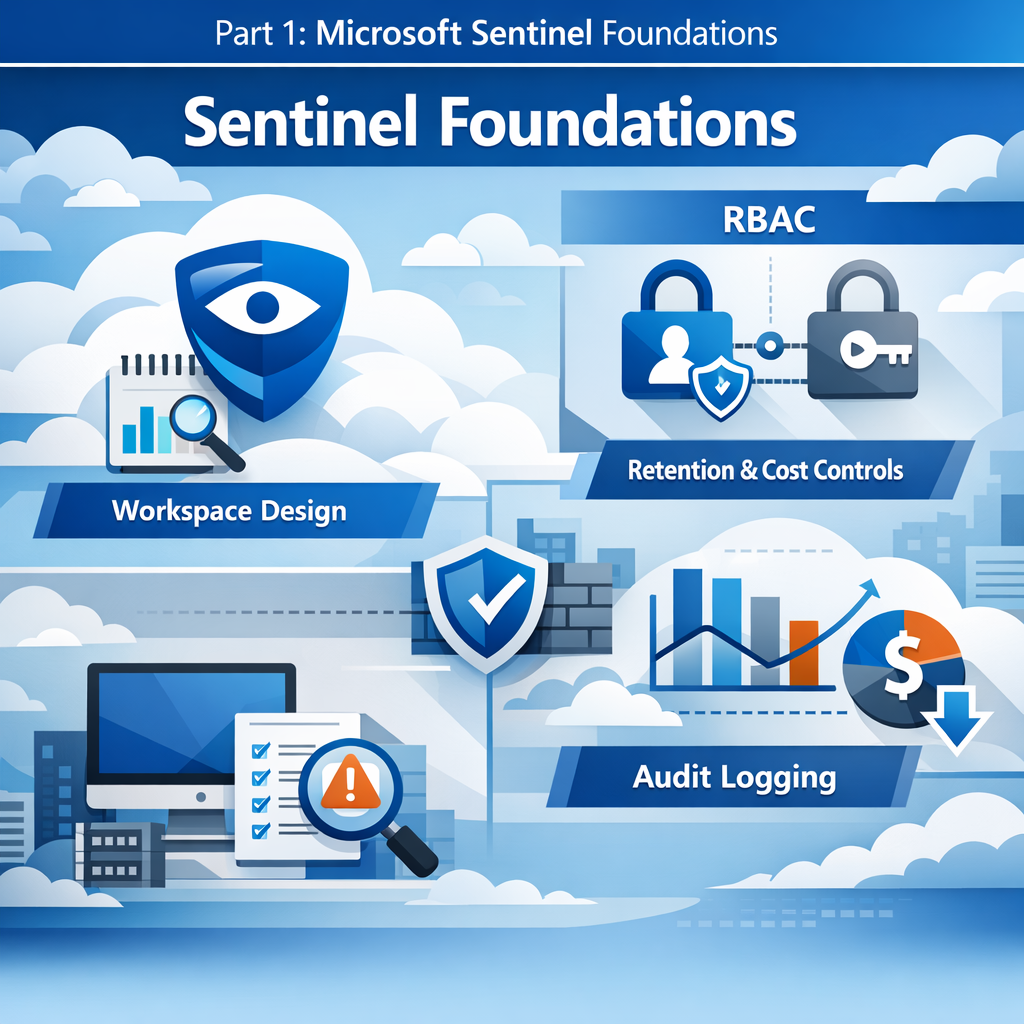
Microsoft Sentinel Baseline Deployment: From Zero to Operational SOC
Microsoft Sentinel can be enabled in minutes. A good Sentinel deployment takes planning. Most Sentinel pain does not come from missing detections or weak analytics. It comes from architectural shortcuts taken on day one: poorly scoped workspaces, uncontrolled access, unpredictable ingestion costs, and a lack of governance before the first alert ever fires. In this…
-
Azure Updates – Number 136 – May 2, 2026
A summary update on Azure news that includes updates released from Microsoft Azure related to Azure, Architecture, Compute, Security Copilot and Sentinel topics. Save time digging around to find recent releases and changes.