Walkthroughs
Step-by-step Azure and Microsoft security implementation guides.
-

Thunderstruck in Microsoft Defender XDR
This article builds a controlled Microsoft Defender XDR hunt that correlates process and network telemetry, creates a reusable filtered data set, assigns a transparent risk score, and identifies unusual scripting volume. The AC/DC theme stays light; the technical work does not. Bringing a couple of my own passions for metal & KQL together! Join me…
-
Saturday Heat – Bonus Walkthrough!
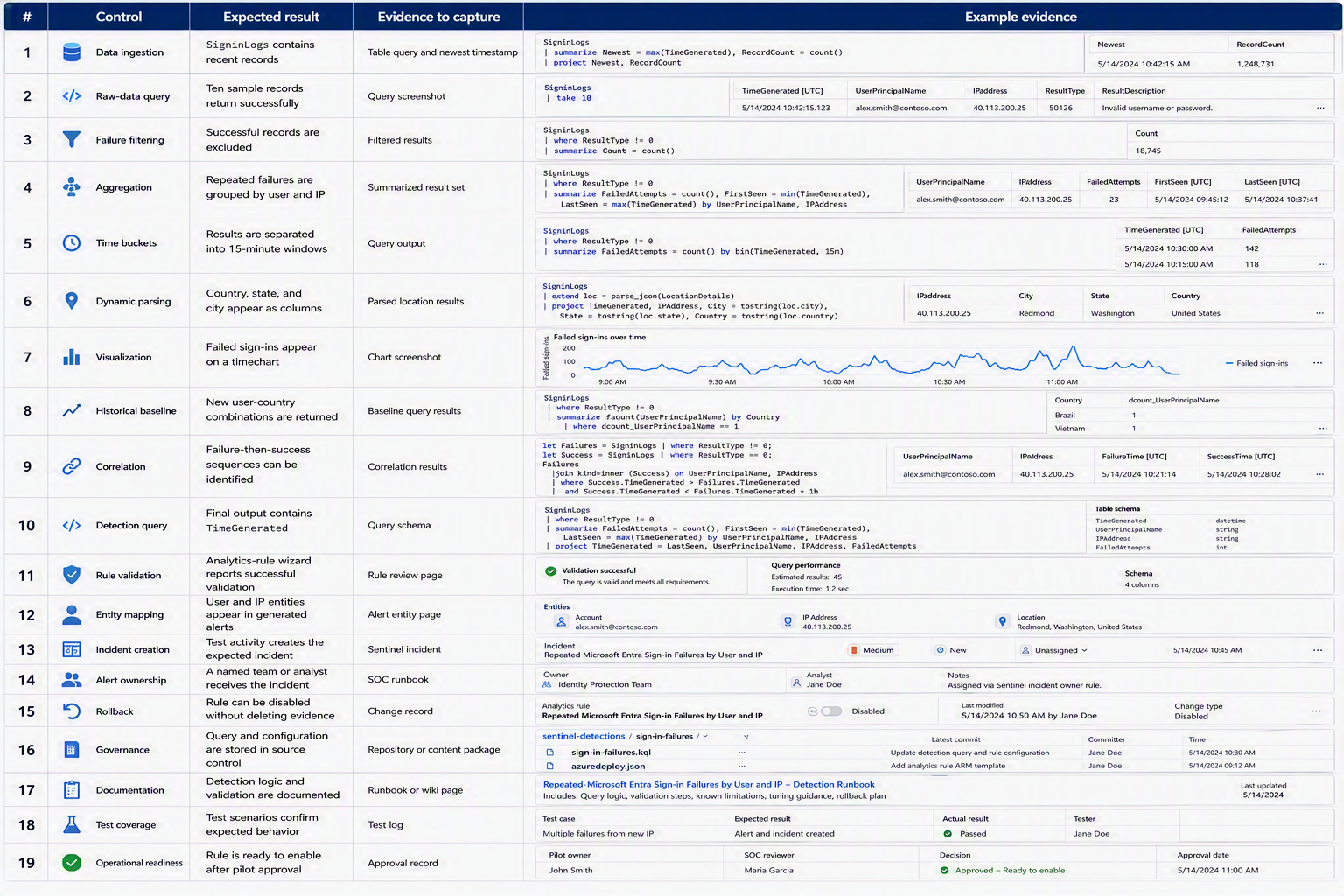
There is too much heat this week for me. I took the opportunity to try & find some distraction for you too! In this Saturday bonus article, we will build several practical security queries progressively. We will begin by reviewing raw Microsoft Entra sign-in data, add filters, summarize the results, extract values from dynamic fields,…
-

Protect Azure API Management APIs with Microsoft Defender for APIs
APIs often expose business logic directly to users, partners, mobile apps, and automation. When an API lacks authentication, exposes sensitive data, or carries unused legacy routes, the risk is not just infrastructure exposure; it is application behavior exposed through a managed gateway.
-

Deploy Microsoft Defender for Storage with Malware Scanning and Sensitive Data Threat Detection
Azure Storage often becomes the handoff point for partners, applications, automation jobs, exports, and user-generated files. That makes it a high-value security boundary: a malicious upload, exposed blob container, or unusual access pattern can turn a simple storage account into an incident source.
-
Microsoft Sentinel Baseline Deployment: From Zero to Operational SOC – Summer Bonus!
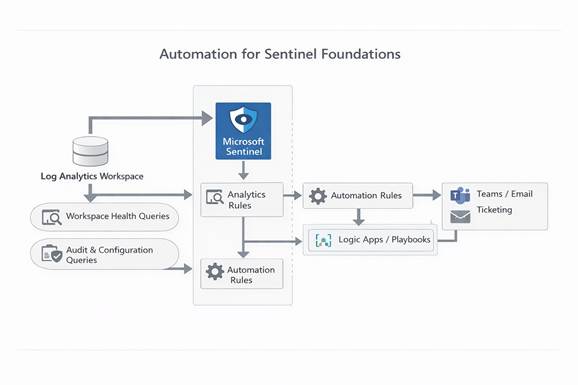
Microsoft Sentinel is powerful—but it can’t manage itself. Manual operations like onboarding data connectors, validating ingestion, monitoring workspace health, and auditing configuration changes quickly become a burden. This bonus article walks through building automation around your Sentinel foundations, so you can: Keep your workspaces healthy Ensure configuration compliance Alert on critical changes Free SOC engineers…
-
Microsoft Sentinel Baseline Deployment: From Zero to Operational SOC – Part 3 of 3
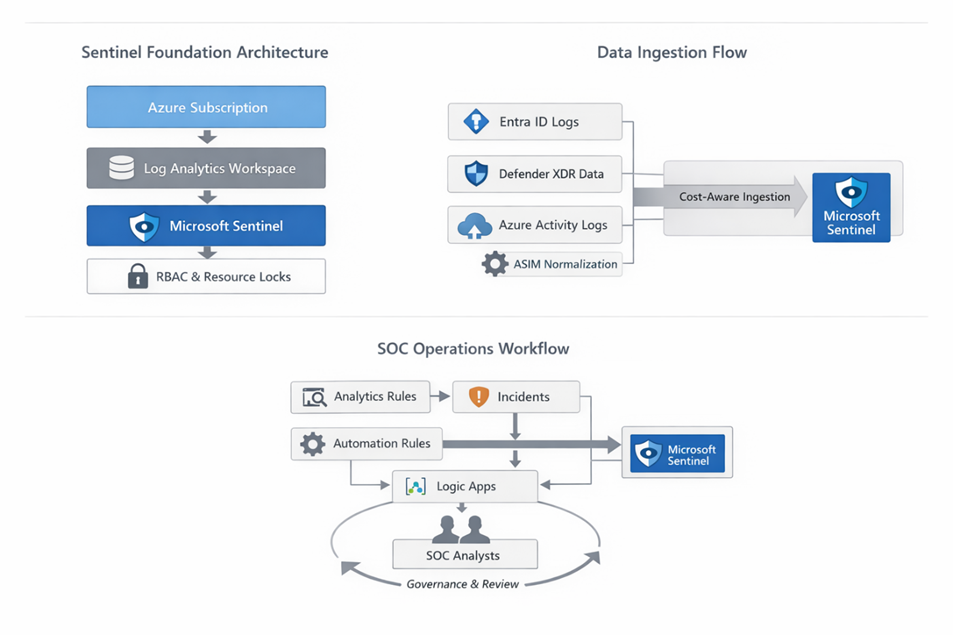
Sentinel does not fail because it lacks detections. It fails because alerts overwhelm analysts, automation hides context, and governance is treated as an afterthought. In this series-finale post, we establish a production operational baseline: analytics rules, incident handling, automation boundaries, and long-term governance. This is where Sentinel becomes usable—not just enabled. There is no secret…
-
Microsoft Sentinel Baseline Deployment: From Zero to Operational SOC
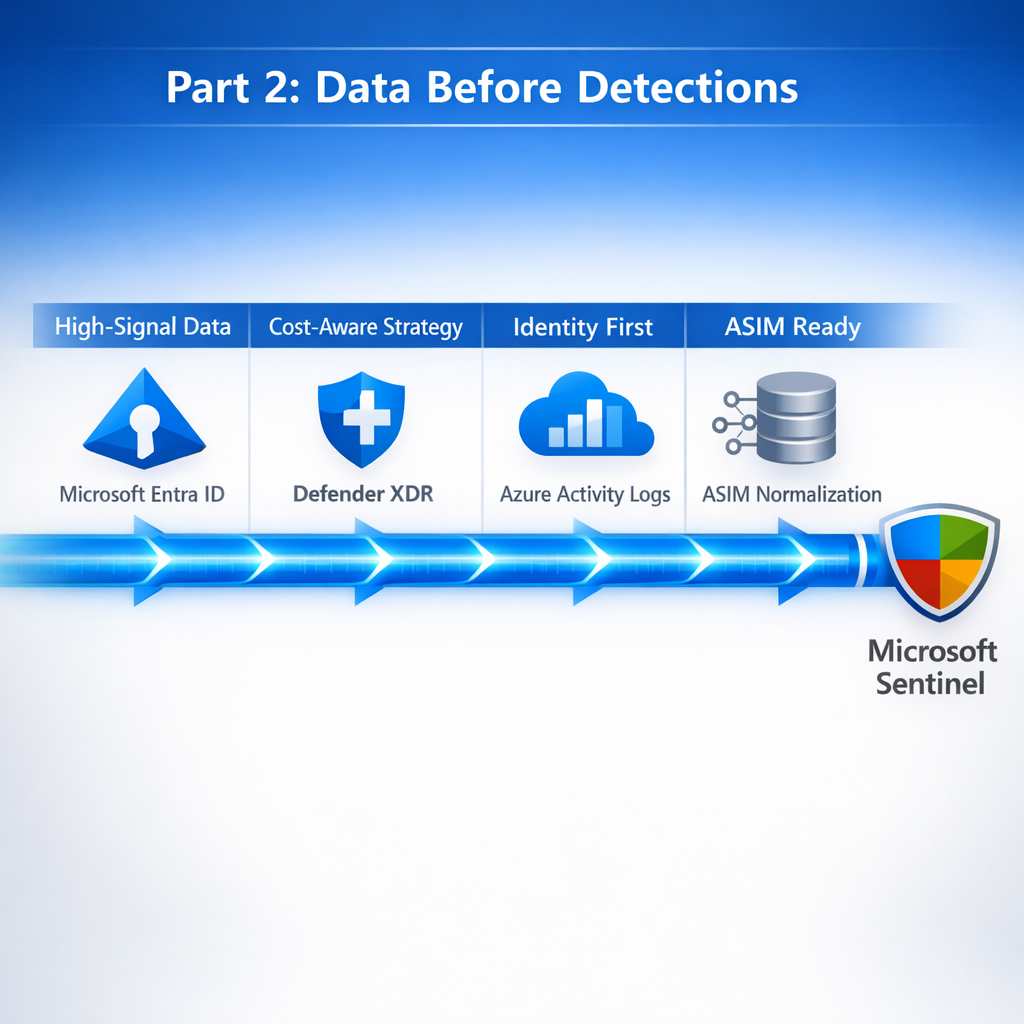
SIEM best practices are clear: connect data intentionally. In this post, we build a baseline ingestion strategy that prioritizes high-value telemetry, aligns with Zero Trust, and avoids the “enable everything” trap.
-
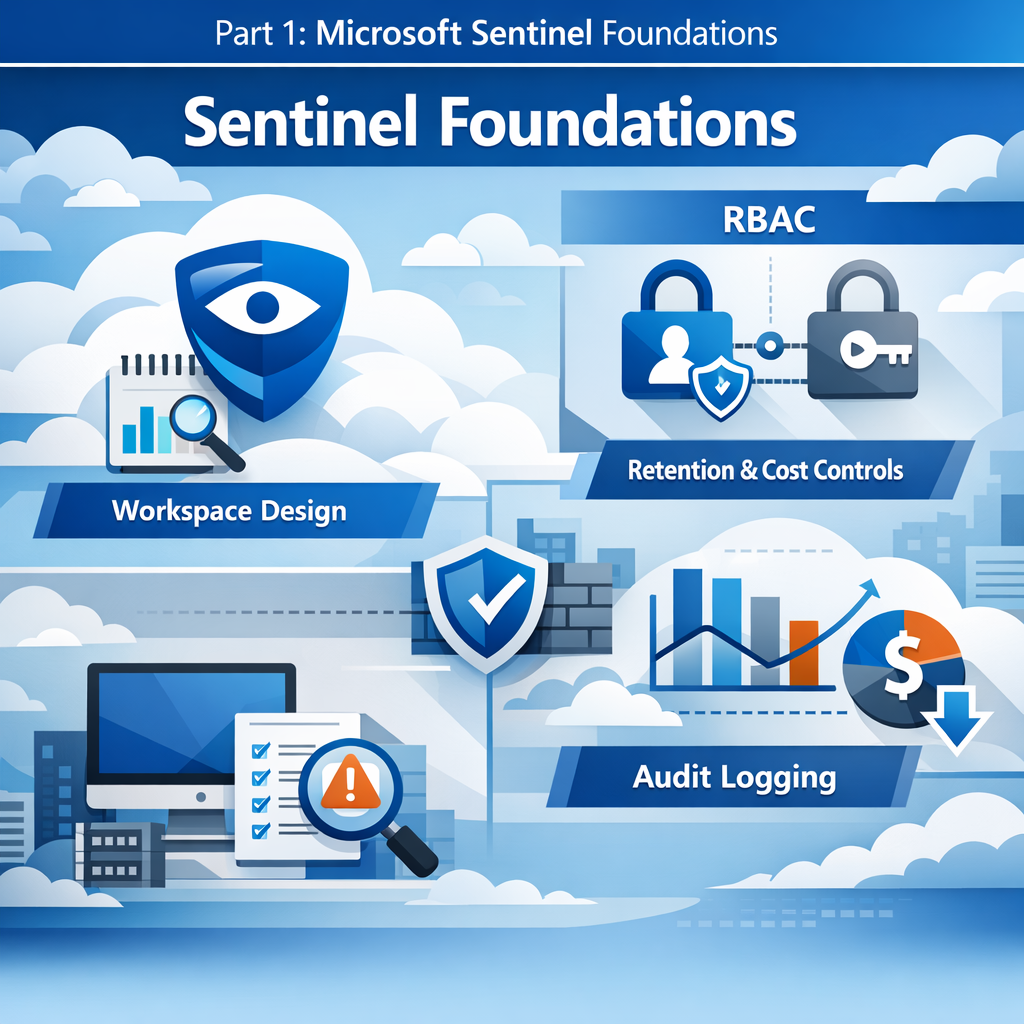
Microsoft Sentinel Baseline Deployment: From Zero to Operational SOC
Microsoft Sentinel can be enabled in minutes. A good Sentinel deployment takes planning. Most Sentinel pain does not come from missing detections or weak analytics. It comes from architectural shortcuts taken on day one: poorly scoped workspaces, uncontrolled access, unpredictable ingestion costs, and a lack of governance before the first alert ever fires. In this…
-
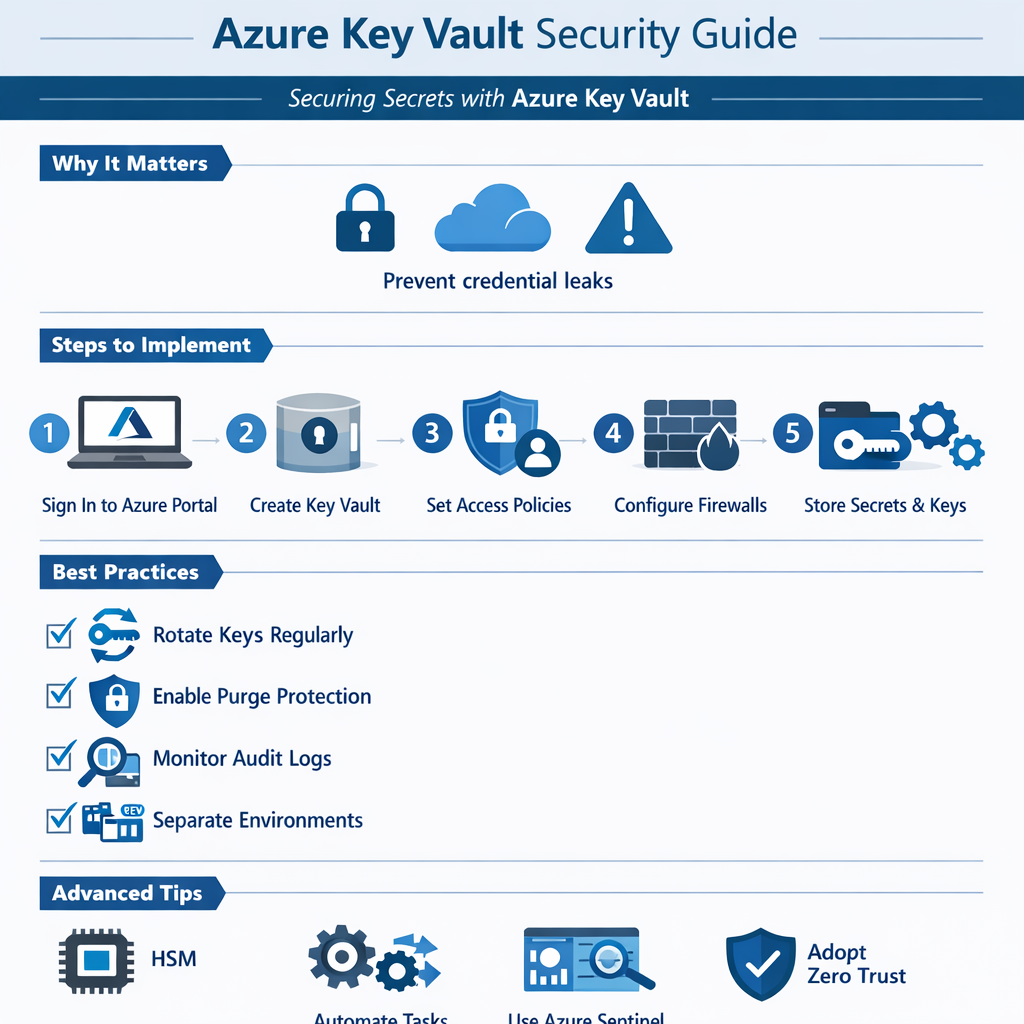
Securing Secrets with Azure Key Vault
You will quickly realize that secrets stored in code, configuration files, or shared documents are one of the most common causes of cloud security incidents. Azure Key Vault (AKV) provides a secure, centralized environment for managing secrets, keys, and certificates. By enforcing strong access controls, network isolation, and auditing, Key Vault reduces the blast radius…
-
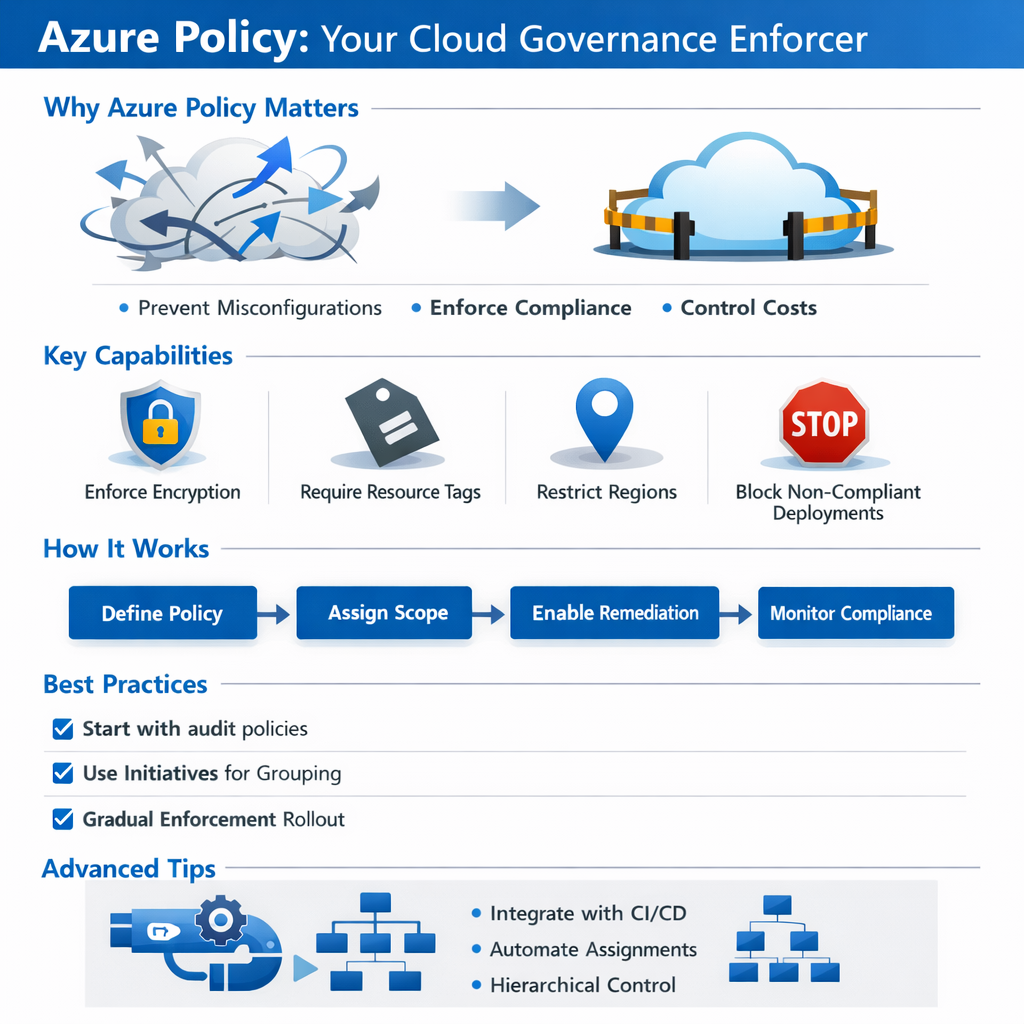
Enforcing Compliance with Azure Policy
You will quickly realize that cloud environments can scale faster than governance can keep up—leading to misconfigurations, security gaps, and cost inefficiencies. Azure Policy acts as your automated compliance enforcer, ensuring that all deployed resources adhere to organizational standards. This article explains how Azure Policy helps maintain control without slowing innovation. You will learn how…